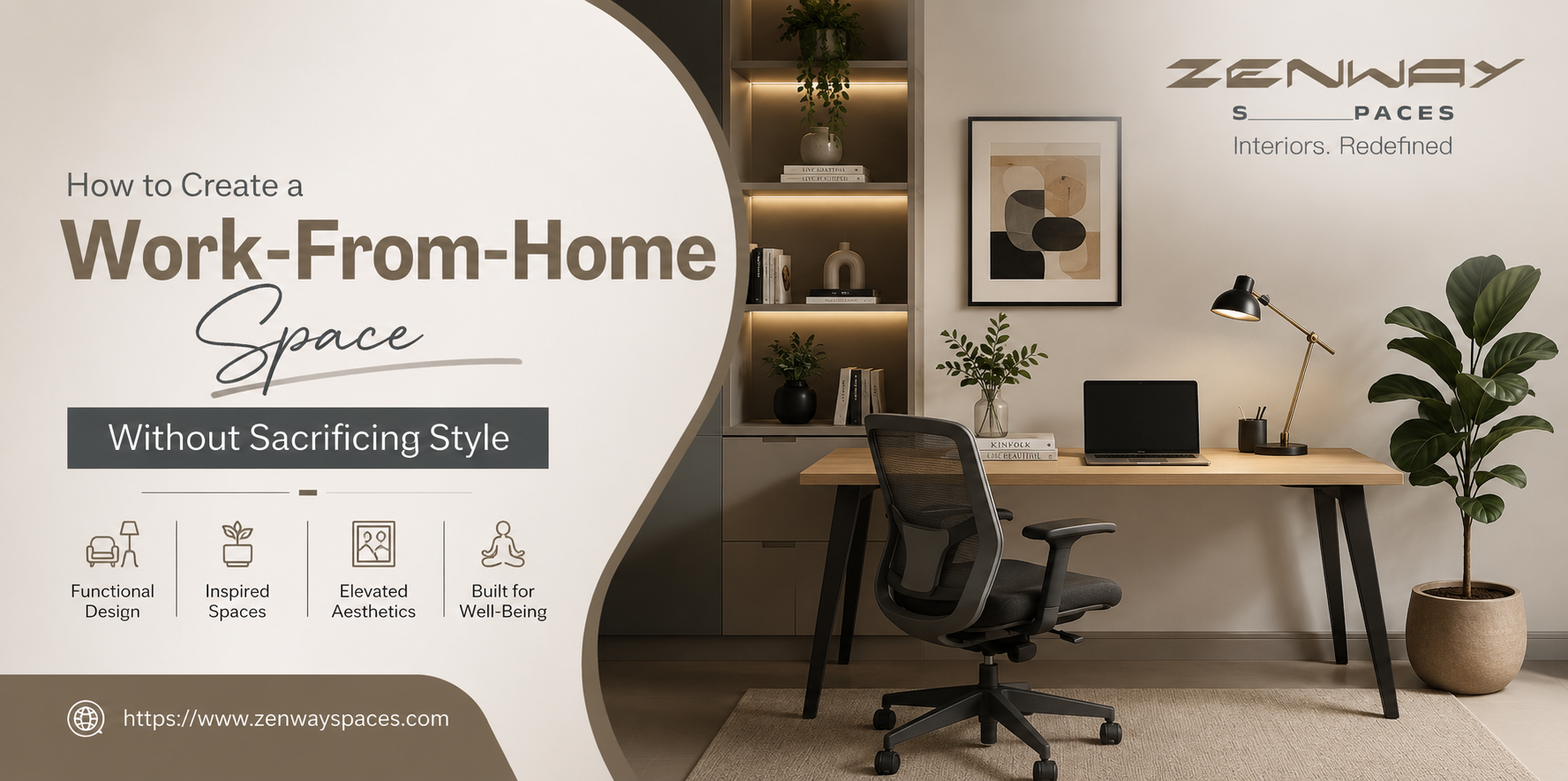
How to Create a Work-From-Home Space Without Sacrificing Style
Working from home has become a normal part of life for many professionals, entrepreneurs, freelancers, and business owners. While working remotely offers flexibility and comfort, it also creates a new challenge. How do you create a productive workspace without affecting the style and beauty of your home?
Many people start by placing a laptop on a dining table or setting up a desk in a corner of the bedroom. While this may work temporarily, it often leads to distractions, discomfort, and reduced productivity. A thoughtfully planned workspace can make a huge difference.
In this guide, we will show you how to create a beautiful work-from-home space that helps you stay focused, organized, and inspired every day.
Why Your Home Office Design Matters
Your workspace directly affects your concentration, motivation, and overall work performance. A cluttered and uncomfortable setup can reduce efficiency and increase stress.
A professionally planned office interior design offers several benefits:
-
Improves productivity
-
Creates a better work-life balance
-
Reduces distractions
-
Enhances comfort
-
Supports mental well-being
-
Increases property value
-
Makes virtual meetings look more professional
When style and functionality work together, your workspace becomes a place where creativity and productivity thrive.
Start With the Right Location
The first step in creating an effective work-from-home setup is choosing the right location. You do not always need an entire room. Many modern homes successfully incorporate workspaces into existing areas.
Ideal locations include:
-
Spare bedroom
-
Study room
-
Living room corner
-
Under-stair space
-
Loft area
-
Window-side nook
-
Extended balcony enclosure
The key is selecting a space with minimal distractions and enough room for comfortable movement. If possible, avoid placing your workstation in areas with heavy foot traffic. A dedicated work zone helps your brain switch into work mode more easily.
Focus on Natural Light
Lighting plays a major role in any successful office interior design project.
Natural light can:
-
Improve mood
-
Reduce eye strain
-
Increase energy levels
-
Improve focus
-
Create a more spacious feel
Position your desk near a window whenever possible. This allows daylight to illuminate your workspace naturally throughout the day.
If natural light is limited, combine different lighting sources:
-
Ceiling lights
-
Task lamps
-
Wall sconces
-
Floor lamps
Warm and balanced lighting helps create a comfortable environment without affecting the overall design of your home.
Choose Office Furniture That Matches Your Home Style
One of the biggest mistakes homeowners make is buying bulky office furniture that clashes with their interior design. Modern office furniture design focuses on both aesthetics and functionality.
When selecting furniture, consider:
Ergonomic Chair
A comfortable chair supports your posture and prevents long-term health issues.
Look for:
-
Adjustable height
-
Lumbar support
-
Comfortable cushioning
-
Breathable materials
Functional Desk
Choose a desk that fits your available space.
Popular options include:
-
Minimalist desks
-
Floating desks
-
Corner desks
-
Foldable desks
-
Built-in workstations
Storage Units
Smart storage helps maintain a clean and organized workspace.
Consider:
-
Drawer units
-
Floating shelves
-
Modular cabinets
-
Hidden storage furniture
The best office furniture design should complement the overall theme of your home while meeting your daily work needs.
Maintain a Consistent Interior Theme
Your home office should feel like a natural extension of your home's design.
For example:
Modern Homes
Use:
-
Clean lines
-
Neutral colors
-
Glass surfaces
-
Minimal decor
Contemporary Homes
Use:
-
Sleek furniture
-
Textured finishes
-
Statement lighting
Luxury Interiors
Use:
-
Premium materials
-
Elegant furniture
-
Sophisticated accessories
Scandinavian Style
Use:
-
Light wood finishes
-
White tones
-
Natural textures
A consistent design theme creates visual harmony throughout your home.
Invest in Smart Storage Solutions
Clutter is one of the biggest productivity killers. A successful office interior design focuses on keeping everything organized and accessible.
Storage ideas include:
-
Floating wall shelves
-
Built-in cabinetry
-
Multi-functional furniture
-
Filing cabinets
-
Hidden storage benches
-
Vertical storage systems
Keeping your workspace organized helps reduce stress and improve concentration.
Create a Background You Are Proud to Show
Video meetings have become a daily part of professional life. Your background reflects your personality and professionalism.
Simple ideas include:
-
Decorative shelving
-
Indoor plants
-
Artwork
-
Bookshelves
-
Accent walls
-
Soft lighting
A thoughtfully designed background enhances both aesthetics and credibility during virtual meetings.
Use Color Psychology Wisely
Colors influence mood and productivity more than most people realize. Popular colors for home office interiors include:
Blue: Promotes focus and calmness.
Green: Reduces stress and supports creativity.
Beige: Creates warmth and balance.
White: Makes small spaces feel larger and cleaner.
Grey: Offers a sophisticated and modern appearance.
Avoid overly bright colors that may become distracting over long working hours. Professional office interior design often uses a balanced color palette that supports both productivity and visual appeal.
Bring Nature Indoors
Biophilic design has become one of the most popular interior trends. Adding natural elements can:
-
Improve air quality
-
Reduce stress
-
Increase creativity
-
Create visual comfort
Easy ways to incorporate nature include:
-
Indoor plants
-
Natural wood furniture
-
Stone textures
-
Natural fabrics
-
Large windows
Plants like snake plants, pothos, and peace lilies are excellent choices for home offices.
Hide Technology Creatively
Modern workspaces require technology, but visible cables and equipment can make a room feel messy.
Simple solutions include:
-
Cable management boxes
-
Built-in charging stations
-
Wireless devices
-
Hidden outlets
-
Custom cabinetry
A clean workspace improves both style and functionality.
Prioritize Comfort Alongside Style
Beautiful spaces should also be comfortable.
Comfort-focused design elements include:
-
Ergonomic seating
-
Adjustable desks
-
Proper lighting
-
Noise control
-
Comfortable flooring
-
Good ventilation
The goal is creating a space where you can work efficiently for hours without discomfort.
Add Personal Touches
Your workspace should inspire you. Personal elements may include:
-
Family photos
-
Travel memories
-
Inspirational quotes
-
Artwork
-
Awards and achievements
The right balance of personal touches can make your workspace feel motivating without becoming cluttered.
Create Multi-Functional Spaces
Many homeowners have limited space.
Modern office interior design often incorporates flexible solutions that serve multiple purposes.
Examples include:
-
Guest room plus office
-
Living room workstation
-
Foldable office setup
-
Hidden desk cabinets
-
Wall-mounted workstations
Multi-functional designs maximize available space while maintaining a stylish appearance.
Soundproofing for Better Focus
Noise can reduce productivity significantly.
Simple sound-control solutions include:
-
Rugs
-
Curtains
-
Acoustic panels
-
Upholstered furniture
-
Bookshelves
Even small improvements can create a quieter and more comfortable working environment.
Home Office Trends for 2026
Current workspace trends focus on flexibility, wellness, and aesthetics.
Popular trends include:
-
Minimalist workspaces
-
Sustainable materials
-
Smart furniture
-
Biophilic design
-
Hidden office setups
-
Custom storage solutions
-
Neutral color palettes
-
Hybrid workspaces
These trends continue shaping the future of modern office interior design and office furniture design.
Why Choose ZenWay Spaces for Home Office Interior Design?
At ZenWay Spaces, we understand that modern homes need flexible spaces that support both living and working.
Our design approach focuses on:
-
Personalized solutions
-
Functional layouts
-
Stylish interiors
-
Smart storage
-
Premium materials
-
Ergonomic office furniture design
-
Space optimization
-
Long-lasting value
Every project is carefully designed to create a calm, organized, and productive environment that reflects your personality and professional goals.
Conclusion
Creating a work-from-home space without sacrificing style is completely achievable with thoughtful planning and expert design. The right office interior design can improve productivity, comfort, and overall well-being while maintaining the beauty of your home. From selecting the perfect location and investing in quality office furniture design to incorporating smart storage and natural elements, every decision contributes to a workspace that feels both professional and welcoming.
At ZenWay Spaces, we believe your home should support every aspect of your life. Whether you need a dedicated office room or a stylish workstation integrated into your living space, our team can help transform your vision into reality. A beautiful workspace is no longer a luxury. It is an essential part of modern living.
Frequently Asked Questions (FAQs)
1. What is the most important factor in office interior design for a home office?
The most important factor is balancing functionality and comfort. A good office interior design should support productivity while fitting seamlessly into your home's style.
2. How can I make a small home office look stylish?
Use space-saving furniture, floating shelves, neutral colors, proper lighting, and smart storage solutions. These elements help create a stylish and organized workspace.
3. Why is office furniture design important for productivity?
Good office furniture design improves posture, comfort, and organization. Ergonomic furniture can reduce physical strain and improve work efficiency.
4. What colors are best for a home office?
Blue, green, beige, white, and soft grey are popular choices because they support focus, creativity, and calmness.
5. Should I hire an interior designer for a home office?
Yes. Professional interior designers can optimize space, improve functionality, select suitable furniture, and create a workspace that aligns with your lifestyle and professional needs.